在我的鄰居州印第安納首都 Indianapolis 的一家小音箱工坊 Trillium Amp 以木工藝術和音響科技的結合製作出高檔吉他音箱. 音箱的外殼用料和做工像是高級的 Art Deco 古董傢具, 價格高的嚇人. 下面第一個像古董收音機的型號訂價 $7000 美金, 大概很少人會帶出去表演用.
http://www.trilliumamps.com/Home/tabid/93/Default.aspx
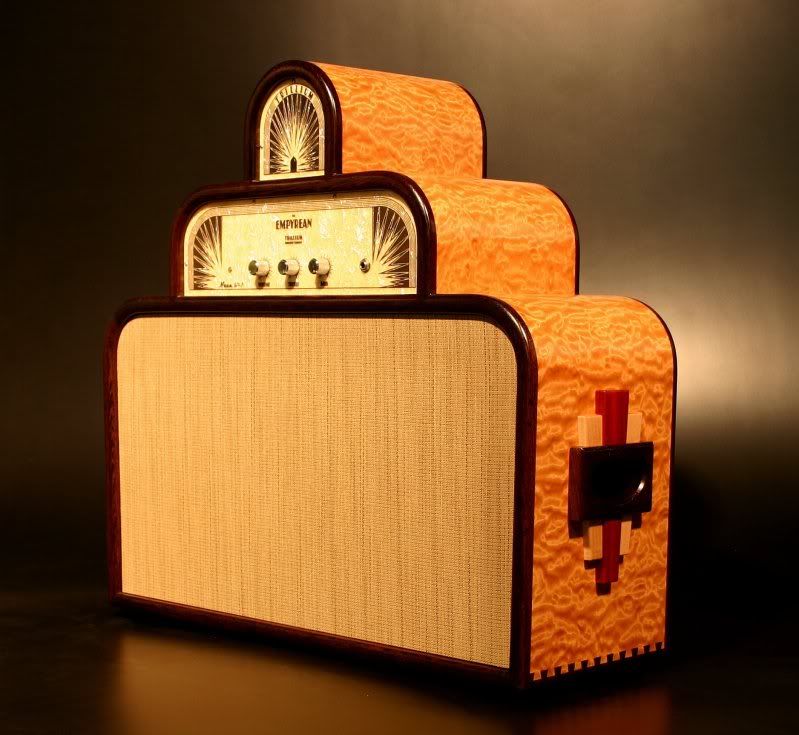
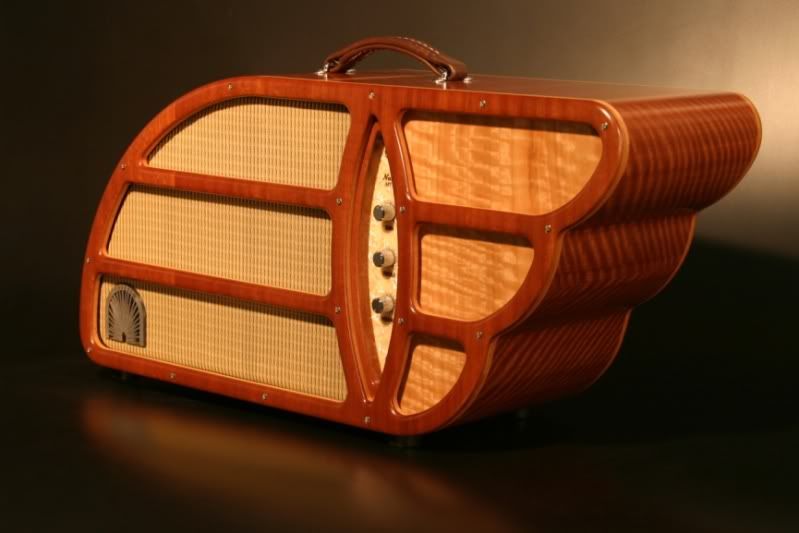
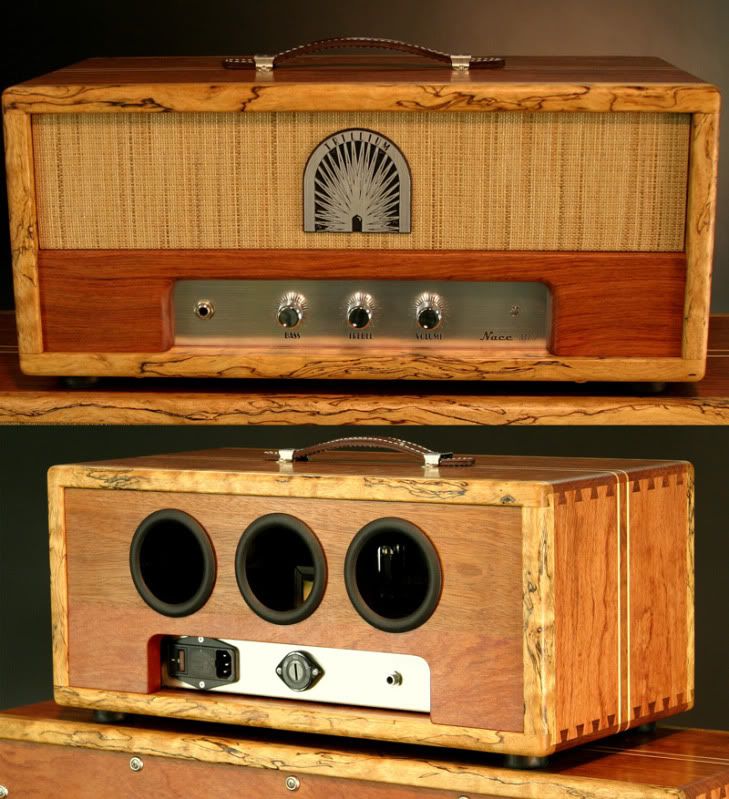
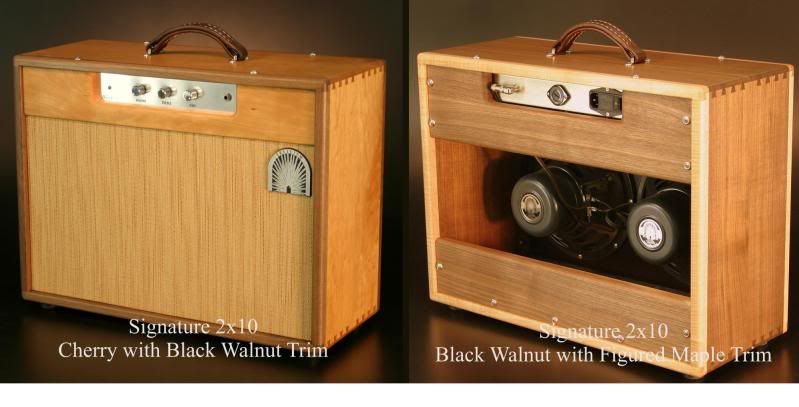


她是我用過音色最清晰最安靜的吉他音箱. 我把她接上我的Gomez G-Spring Reverb Unit 彈奏60年代的沖浪曲. (放中間也可以接右邊的Bassman amp) 將來如果學爵士吉他相信音色和效果更好.
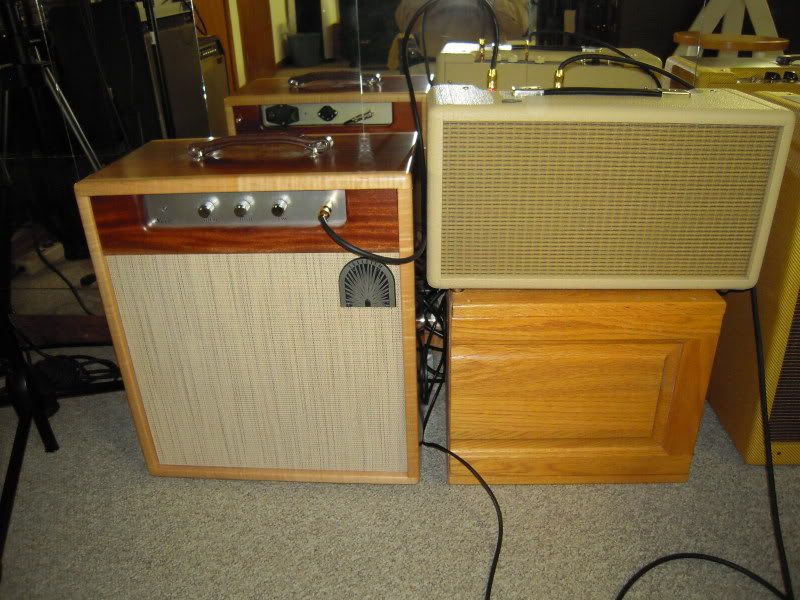
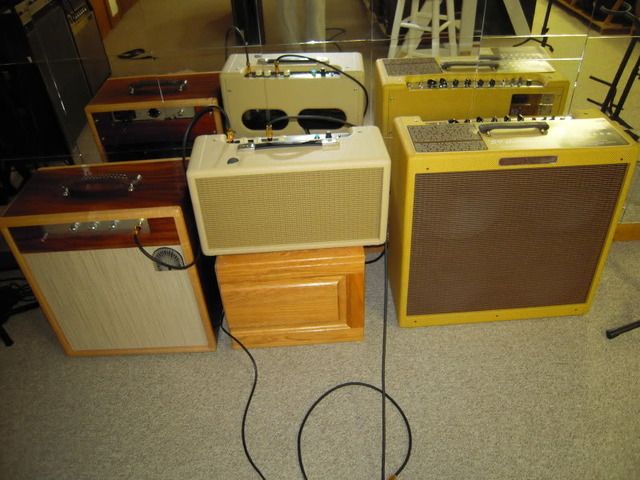
音箱的規格我看不是很懂, 不過還是放上來供大家參考.
The first chassis offered by Trillium Amplifier Company. It is first and foremost studio and stage-ready with peerless fidelity and sonic substance. Designed with the input of dozens of musicians and hundreds of hours of bench time, the chassis is feather-light, noise-free, and more efficient than any other Class A amplifier available. We've worked hard to design an amplifier that more accurately reproduces the guitar than any other on the market today.
The heart and soul of the amplifier is the proprietary Trans flux Power Module ™ (TFPM ™) designed by an audio/electrical engineer. This component, in combination with the unique circuitry design, allows the amp to offer an audiophile-quality signal-to-noise ratio of -65db while pumping out 7 watts of true single-ended, "Class A" power. The TFPM ™ is a regulated power supply, so voltage is constant at all times with no significant fluctuation. Simply put, the amplifier produces virtually none of the audible hum or buzz normally associated with tube amps and will have more available dynamic range than any other amp we've found.
Our chassis uses a proprietary bias system that is always in-phase with itself, making your guitar sound fuller and richer than ever before. This "agile" biasing system can safely handle a variety of preamp tubes (12AT7, 5751, ECC83, 12AX7) as well as power tubes (6L6 or 6V6). These changes can be made on the fly, without modification or re-biasing of the circuit. Varying the combination of tubes will substantially change the character, response, and available headroom of the amplifier. Because our bias is frequency independent, complex chords and voicing will not sound muddy.
The design of the circuit gives you what we call Sagless Response™ and a detailed articulation of your guitar’s signal. The amplifier is sensitive to even the most subtle nuances in your playing style as well as different types of guitar pickups. With no sag, the amplifier is free to replicate precisely what you play. In addition, the amp’s exceptionally wide “sweet spot” will allow you to create unparalleled tonal shading. Unlike other amplifiers that clog up the signal path with too many bells and whistles, the Trillium Amp will make each of your electric guitars sound unique.
All these features interconnect to make an amplifier that is ideal for miking in the studio or on stage as well as being enjoyed in your home or office. You’ll spend less time tweaking and more time enjoying the perfect tone you long for!
Specs for the Nace M17 amplifier
Power rating 7 watts
Class A
Cathode Biased
Tubes - Accepts the following tubes with no rebiasing necessary:
Preamp12AT7, 5751, ECC83, and 12AX7
Power6V6 and 6L6
Controls Volume, Treble, and Bass
Input/Output ¼ ” Mono
Impedance Selector 4, 8, and 16 ohm
On/Off Switch Rocker
type with built in fuse compartment
Power On Indicator Light Super bright blue LED
All measurements listed below were taken using “Groove Tubes” preamp tube ECC83 and power tube 6V6S with a rating of “high.”
Parameters THD and noise were measured at 1 KHz with the bass and treble controls at their minimum settings, the volume set at 12 o’clock, and measured into 8 ohms resistive.
Power Out (Watts) THD Noise
1 0.89% 60 db nominal
2 2.0% 73 db nominal
3 3.5% 75 db nominal
4 4.6% 76 db nominal
5 6.6% 77 db nominal
6 9.2% 78 db nominal
7 14.0% 78.6 db nominal
Additional Noise Measurements
Parameters Noise levels measured at 5 watts into 8 ohms resistive.
With the bass and treble at their minimum settings and the volume at its maximum:
Noise 65.5 db nominal
With the bass, treble, and volume at their maximum settings:
Noise 60.6 db nominal
Power out at onset of clipping is 5 watts, nominal.
The amp has built in power conditioning via the TFPM which enables the above specifications to be valid for the following input profile: 117Vrms +/15%, 48 Hz to 1 KHz or from 100VDC to 180VDC. Power out will not fluctuate over the specified input voltage range.
Power in is 36 watts nominal at 5 watts out.
放上Trillium Amp 公司的彈奏音色示範 Youtube 廣告:
Trillium Signature Series Review by Guitar Player Magazine:


KNOWN FOR BUILDING AMPLIFIERS WITH VERY EXOTIC CABINETRY, TRILLIUM ROUTINELY HAS THE last word with its Art Deco-inspired Empyrean and Seraph models. These stately amps—which go for $6,490 and $5,790—respectively, feature curvatious cabinets handcrafted from such beautiful woods as bubinga, paduak, bee wing’s eucalyptus, claro walnut, and fiddle-back makore. And, as each is made on a custom order basis, no two Trilliums are exactly alike. That said, the Trillium folks base all of their models on the same amplifier section—the Nace M1-7 designed by audio engineer Art Nace. This single-ended class-A amp uses one 12AX7 and a 6V6 power tube to develop 7 watts. Users can install a variety of octal-base power tubes (including the 6L6, 5881, and KT66) without rebiasing, along with other preamp tubes such as a 12AT7, a 5751, and a 12AY7.
The Signature Series on review here sports a more traditional look, but there’s no mistaking the flair of its cabinet, which is crafted from paduak with 1/4" maple stripes that encircle the front and rear of the cab. A laser-etched sliver logo plate looks sweet against the black grillecloth. The circuit is a minimum-parts-count affair that is laid out neatly on a thick PC board. I expected to see a handwired circuit, but, apparently, Nace favors this construction method in order to obtain an audiophile-grade signal-to-noise ratio of -65dB. The amp is indeed very quiet—even with the Volume knob all the way up—and it offers great touch sensitivity and dynamic response. The maximum distortion level is on par with other small single-ended amps (such as a Fender Champ), although the Signature typically sounds more even and refined across the overdrive spectrum. This amp also sounds excellent for jazz. Its clean tones are rich and detailed, and its quietness lends a CD-like “out of the blackness” vibe to these textures. Used with a variety of pedals—including new Way Huge distortion and fuzz boxes and a DigiTech Hardwire CM-2 Tube Overdrive, the Signature assumed a much more aggressive demeanor, while revealing a lot of subtle nuances from these effects. And while a 7-watt combo with furniture-grade cabinetry is unlikely to have a lot of gigs in its future, the Signature would make a fine recording amp, as well as something that could sit happily in your living room for practice, tube tasting, and just classing things up with the warm glow of rare woods. —Art Thompson
.
